 HandheldPicks
Nintendo Switch OLED Review — A premium coat of paint on aging hardware that perfectly executes its niche for handheld enthusiasts
⚡ TL;DR
The OLED screen and revamped kickstand completely transform the handheld and tabletop experience. However, the lack of internal performance upgrades means docked players gain almost nothing but an Ethernet port. If you don't own a Switch yet, it's easily worth the extra $50, but
◈ Verdict: Depends on Use Case
What people are saying
Sources disclosed below
Pros
- +Gorgeous 7-inch OLED screen with vibrant colors, deep blacks, and better viewing angles
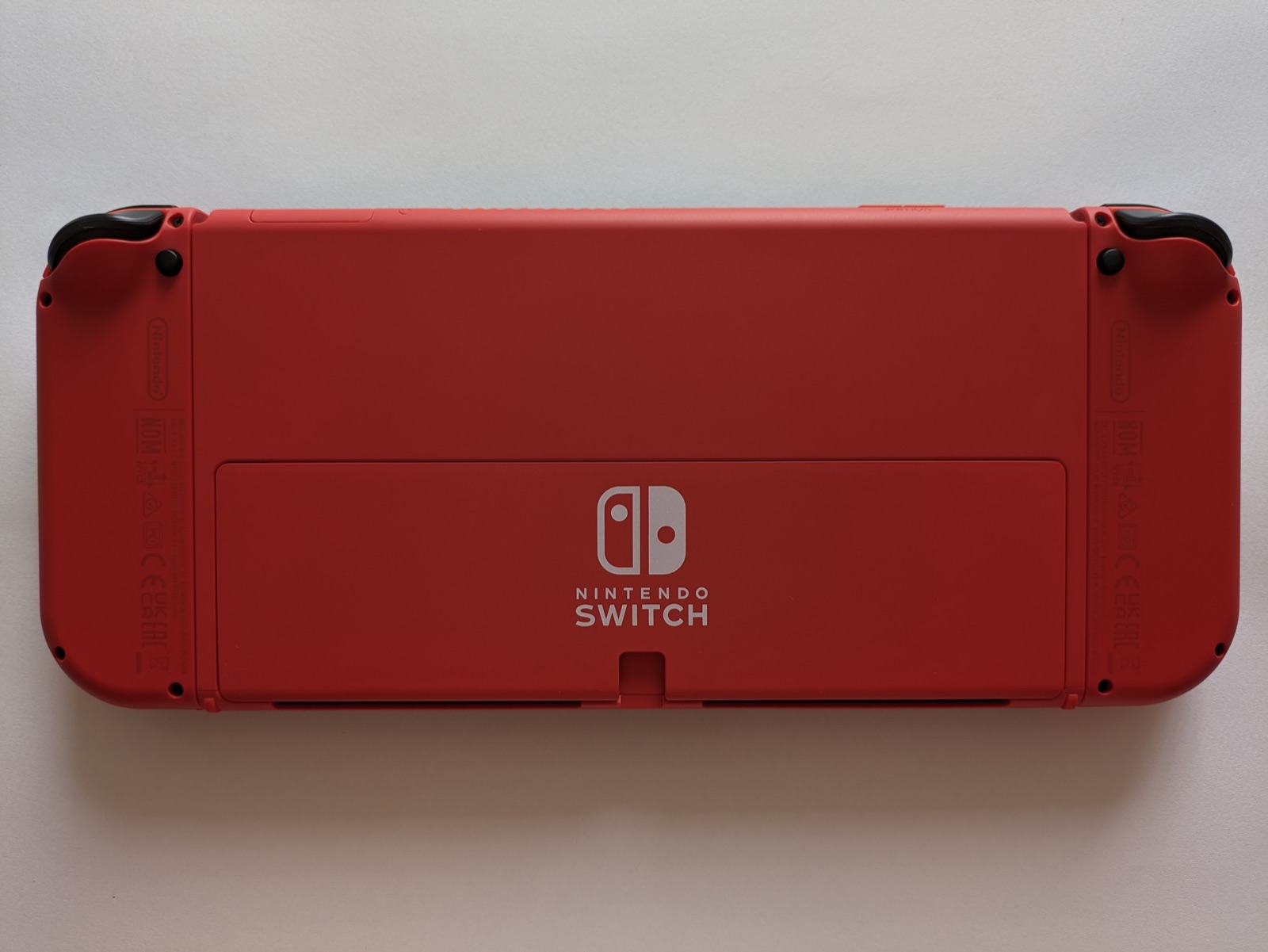
- +Vastly improved, full-width adjustable kickstand similar to a Microsoft Surface
- +Built-in Ethernet port on the redesigned dock
- +Increased internal storage to 64GB
- +Thinner bezels make the device look much more modern
Cons
- −No internal performance or graphical upgrades; still 720p in handheld
- −The console wobbles slightly when placed in the new dock
- −Slightly larger dimensions break compatibility with some older accessories and grips
- −The new game card slot cover is difficult to open without long fingernails
Marcus Chen
Published April 30, 2026
$329–$369
Price may vary. Updated regularly.
Nintendo's newest Switch fixes its biggest physical flaws, but leaves the aging internal hardware completely untouched. If you were expecting a "Pro" model with 4K upscaling or a faster processor, you’re looking at the wrong device. This is a refinement, not a revolution.
What you're actually getting
The Switch OLED is the gaming equivalent of a luxury trim package on a reliable sedan. You aren't getting a faster engine, but the interior is significantly more comfortable. The star of the show is undeniably that 7-inch OLED panel. As IGN put it, "No longer must we seek out dark corners to play in or shield the screen." The contrast is infinite, the colors pop with a vibrancy the original LCD model couldn't dream of, and the thinner bezels make the device feel like a modern piece of hardware rather than a relic from 2017.
However, don't let the shiny screen distract you from the reality under the hood. As gameranx bluntly reminded viewers, "This is not going to make your video game graphics better." You are still running the same Tegra X1 chip, pushing the same 720p resolution in handheld mode. If you’re a docked player, the only real upgrade is a built-in Ethernet port on the dock. It’s a quality-of-life improvement for your download speeds, but it does absolutely nothing for your frame rates.
When you hold it, the build quality feels more intentional. The full-width kickstand is a revelation, finally allowing you to prop the console up on a train tray or a cramped desk without it tipping over at the slightest vibration. It’s a massive step up from the flimsy plastic tab on the original. That said, the added size—roughly 3 millimeters longer—means some of your older, tight-fitting carrying cases or specialized grips might not fit anymore. It’s a minor annoyance, but one you should account for if you’re upgrading from an existing library of accessories.
Performance — what reviewers actually measured
The internal hardware remains identical to the base model. If you are looking for higher frame rates or better graphical fidelity, you will not find them here.
| Metric | Value | Context |
|---|---|---|
| Screen Resolution | 720p | Same as original |
| Internal Storage | 64GB | Double the base |
| Battery Life | 4.5 to 9 hours | Varies by game |
| Weight Increase | 20 grams | Negligible in hand |
Where it actually wins
The Switch OLED wins by perfecting the handheld experience. The combination of the OLED screen and the new kickstand makes tabletop mode actually viable for the first time. You can finally play with a Pro Controller on a flight or at a coffee shop without feeling like you’re balancing a house of cards. It’s a device that feels premium in the hands, and as SpawnPoiint noted, "It actually makes the older model look dated when comparing the two side by side."
The storage bump to 64GB is also a welcome, if overdue, change. While you’ll still need a microSD card if you’re a digital-heavy gamer, having double the onboard space means you can keep a few more indie titles or a major first-party release ready to go without needing an immediate expansion. It’s a small win, but one that makes the setup process feel less like a chore.
Where it falls short
The biggest failure here is the lack of a performance ceiling. Nintendo is asking for a $50 premium over the base model, and for that price, you’re paying entirely for the display and the chassis. If you play 90% of your games docked, you are essentially paying $50 for an Ethernet port and a slightly nicer-looking dock. That’s a tough pill to swallow.
There are also some annoying physical quirks. The new dock has a slightly looser fit, leading to a console that can wobble if bumped. Additionally, the game card slot cover is notoriously difficult to open unless you have decent fingernails, which feels like a strange regression in design. It’s not a dealbreaker, but it’s the kind of "Nintendo quirk" that reminds you they don't always prioritize ergonomics as much as they should.
Should you buy it?
Buy if you
- Are buying your first Nintendo Switch.
- Play primarily in handheld or tabletop mode.
- Value screen quality and build materials over raw graphical power.
Skip if you
- Already own a Switch and play mostly docked on a TV.
- Are waiting for a "Pro" model with better performance.
- Are on a strict budget and don't care about screen vibrancy.
The ultimate way to play Switch in handheld mode, but a tough sell for current owners who play mostly on the TV.
Sources consulted
- gameranx — Nintendo Switch OLED - Before You Buy
- IGN — Nintendo Switch - OLED Model Review
- SpawnPoiint — The OLED Nintendo Switch: Should You Buy One?
- Baldly Rudy — Nintendo Switch OLED One Year Later...
Synthesis combines independent reviews above. Verdicts and quotes attributed to original creators. Affiliate disclosure: we may earn a commission from qualifying purchases via Amazon links.
Products covered in this review
Frequently Asked Questions
Is the Nintendo Switch OLED worth buying?
The OLED screen and revamped kickstand completely transform the handheld and tabletop experience. However, the lack of internal performance upgrades means docked players gain almost nothing but an Ethernet port. If you don't own a Switch yet, it's easily worth the extra $50, but current owners should weigh their playstyle carefully.
Who is the Nintendo Switch OLED best for?
First-time Switch buyers and heavy handheld or tabletop players.
Who should skip it?
Current Switch owners who primarily play docked on a TV.